Why Do Ice Cream Manufacturers Stay With the Same Wooden Ice Cream Stick Supplier?
- Share
- publisher
- YADA Industrial
- Issue Time
- Nov 27,2026
Summary
Seven practical reasons ice cream manufacturers keep the same wooden ice cream stick supplier, from batch consistency and line compatibility to peak-season delivery, pricing and packaging.
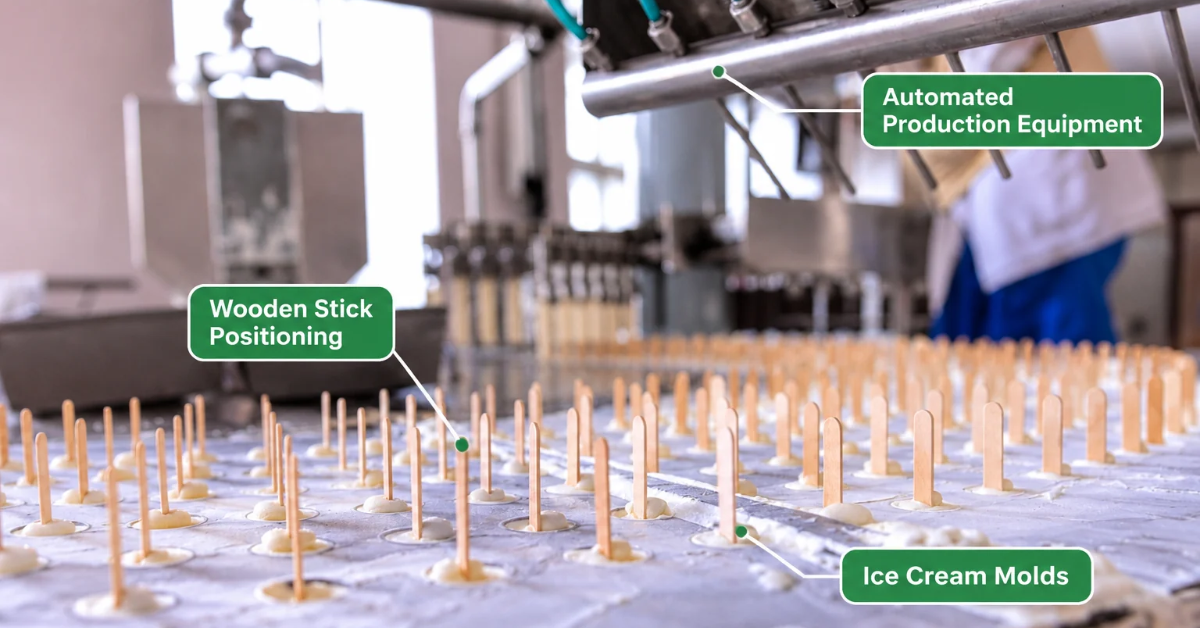
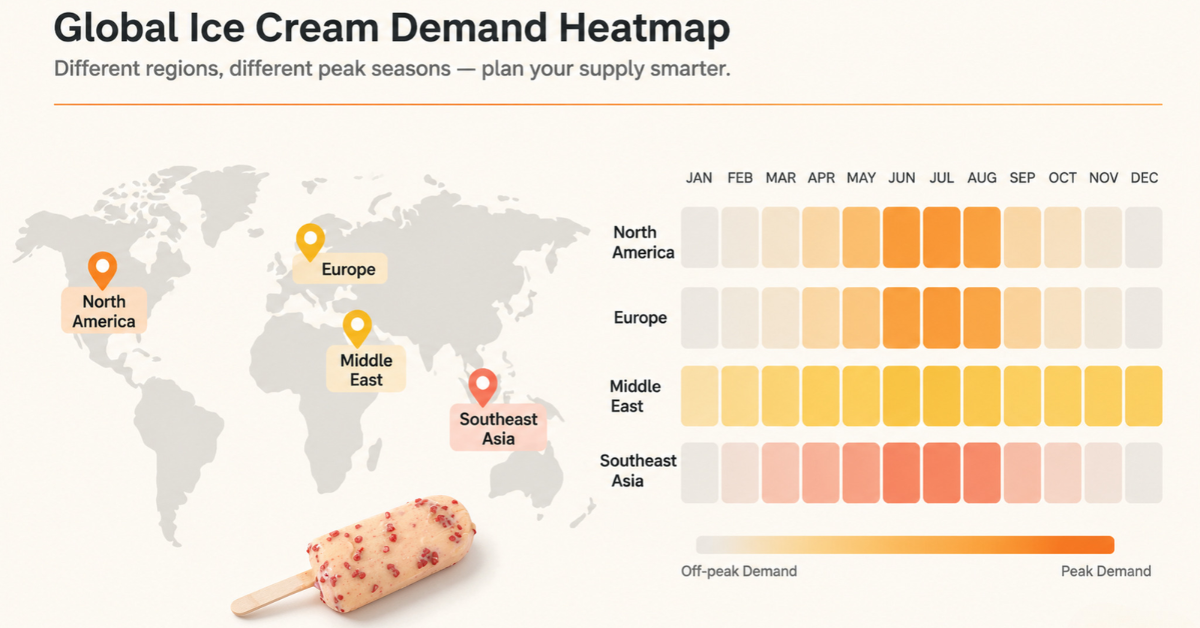
For an ice cream manufacturer, a wooden stick is not a commodity line item. Every bulk order has to fit the same moulds, feed through the same equipment and reach the freezer on the scheduled shift. That is why the supplier decision tends to be made once and revisited rarely. Most ice cream manufacturers keep the same wooden ice cream stick supplier because a proven supplier already knows the approved dimensions, the defect limits and the way the sticks behave on the line. Changing supplier restarts sample approval and line trials — work most plants cannot absorb in the middle of a season. YADA Industrial reports an 80% customer repeat order rate, which is the outcome of long-term relationships rather than a marketing target. So what makes a wooden ice cream stick supplier worth returning to? Seven factors decide it, and all seven are practical rather than commercial. Consistency is the first reason buyers stay. When every container matches the approved specification, the plant keeps the same mould settings, the same feeding parameters and the same inspection routine from one season to the next. Length, width, thickness and edge profile all influence how the stick sits in the mould and how it is picked up downstream. Write the tolerances into the purchase specification, so that both sides are measuring the same thing. A bent stick can stop an automated feeder. A burr, crack or rough edge becomes a complaint at the other end of the chain. Buyers should ask how the supplier controls raw material selection, cutting accuracy, drying, polishing and final sorting — and what limit defines a defect. One reference sample is not a quality system. The approved sample should be backed by a written specification and by batch records showing that each shipment was checked against it. For repeat orders, that paperwork is what makes the next delivery predictable. A stick can pass a dimensional check and still perform badly on the line. Production compatibility is a separate test, and it is the second reason manufacturers avoid changing supplier. Automatic filling lines position the stick, insert it into the mould and release it at a fixed rhythm. A few tenths of a millimetre in width, or a slight bow, changes how the stick separates from the magazine. Test samples on the actual equipment before approving a bulk order; a bench measurement is not a line trial. YADA Industrial supplies natural birch and bamboo sticks in 93 × 10 × 2 mm and 114 × 10 × 2 mm, wax polished with round edges, at 8–12% moisture content, with other sizes produced on request. Most stick-related stoppages trace back to one of five causes, and each can be inspected before shipment. Automated visual sorting removes pieces that fail the criteria, and in-process inspection covers what the camera cannot judge. Together they reduce the number of defective sticks that reach the packing station — and the number that reach the buyer. Seasonality is the part of stick purchasing that is hardest to recover from. A late delivery in July cannot be fixed in August, whatever the supplier promises at that point. Demand peaks at different times in different markets, so a single production plan rarely fits every customer. A capacity figure in a quotation is not a delivery plan. Ask about production bases, scheduling and order tracking, raw material availability, warehouse space for finished goods and the ability to ship in several lots. YADA Industrial operates three production bases with ERP-based production and inventory planning, and reports a 95% on-time delivery rate. For seasonal buyers, the useful conversation happens before the peak — not during it. The cheapest stick on the quotation is rarely the cheapest stick in production. A lower price per 10,000 pieces means little if the batch needs re-sorting, if the line stops, or if the container arrives after the promotion it was ordered for. Switching supplier also restarts sample approval and line validation — a cost that never appears on an invoice. A transparent quotation lets a buyer plan a budget instead of reacting to it. Repeat orders are not only about dimensions. Packaging has to stay the same as well, or receiving and line-side handling quietly change without anyone deciding to change them. For custom wooden ice cream sticks, any change to specification or packaging should be confirmed in writing before production rather than discovered on arrival. Small communication failures become expensive production problems. A long-term supplier is expected to keep the same contacts, the same records and the same answers from one order to the next. Price and sample quality are the two easiest things to compare, and the two least useful on their own. The checklist below covers what actually decides whether a supplier can carry a repeat order. A supplier that can show consistent performance across all eight areas is one a plant can plan around. The wider sourcing question — factory audits, documentation and pricing structure — is covered in our guide to finding a reliable ice cream stick supplier in China. Food-contact requirements are the part of compliance buyers verify last, and they differ by market. For orientation: in the United States, indirect food additives are regulated under 21 CFR Part 174; in the European Union, the framework is Regulation (EC) No 1935/2004; in Germany, the LFGB applies on top of it. Wood sourcing is a separate question: buyers who need documented provenance ask for FSC® chain-of-custody certification and the certificate number, not the logo. A management-system certificate such as ISO 9001 covers the process, not the product, so it does not replace food-contact test reports. Because a proven supplier already knows the approved dimensions, the defect limits and how the sticks behave on the line. Repeat orders skip sample testing and line trials, and the purchasing team can forecast quality instead of inspecting for it. By writing the specification down — dimensions, tolerances, surface finish and acceptable defect levels — keeping an approved reference sample, and checking each batch against both. Batch records and pre-shipment inspection make the next delivery predictable. Length, width, thickness, material, straightness, surface treatment and packaging. Plants running automatic lines should also test samples on the actual equipment, because a stick that measures correctly can still feed badly. Dimensional variation, bending and surface defects change how a stick separates from the magazine and enters the mould. The result is misfeeds, stoppages and manual sorting, all of which reduce line output and add labour. YADA Industrial reports an 80% customer repeat order rate. The figure reflects long-term B2B relationships built on consistent specifications, three production bases and a reported 95% on-time delivery rate. Forecast by market, order before the peak and agree delivery lots in advance. Check the supplier’s production capacity, raw material planning and warehouse space, and confirm lead times in writing rather than assuming last year’s schedule still applies. A stick supplier is chosen once and lived with for years. Consistency, line compatibility, delivery reliability, transparent pricing, stable packaging and clear communication decide whether the second order arrives on time — and whether there is a third. YADA Industrial reports an 80% customer repeat order rate, runs three production bases with automated visual sorting and ERP-based planning, and supplies birch and bamboo ice cream sticks for automatic lines. If you are planning a repeat order or testing a new specification, send the dimensions and the equipment details and we will confirm what fits. Send your stick size, annual volume and line type. We will reply with a specification proposal, sample arrangement and delivery plan for your season.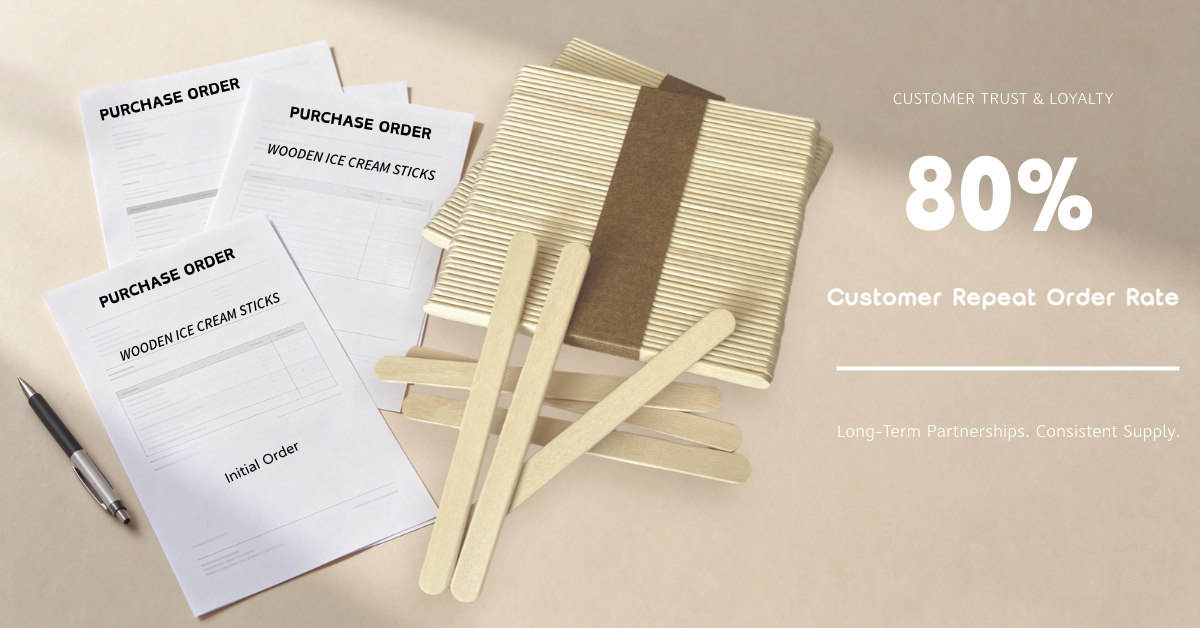
Consistent Quality Across Every Bulk Order
Consistent Dimensions and Thickness
Straightness and Surface Finish
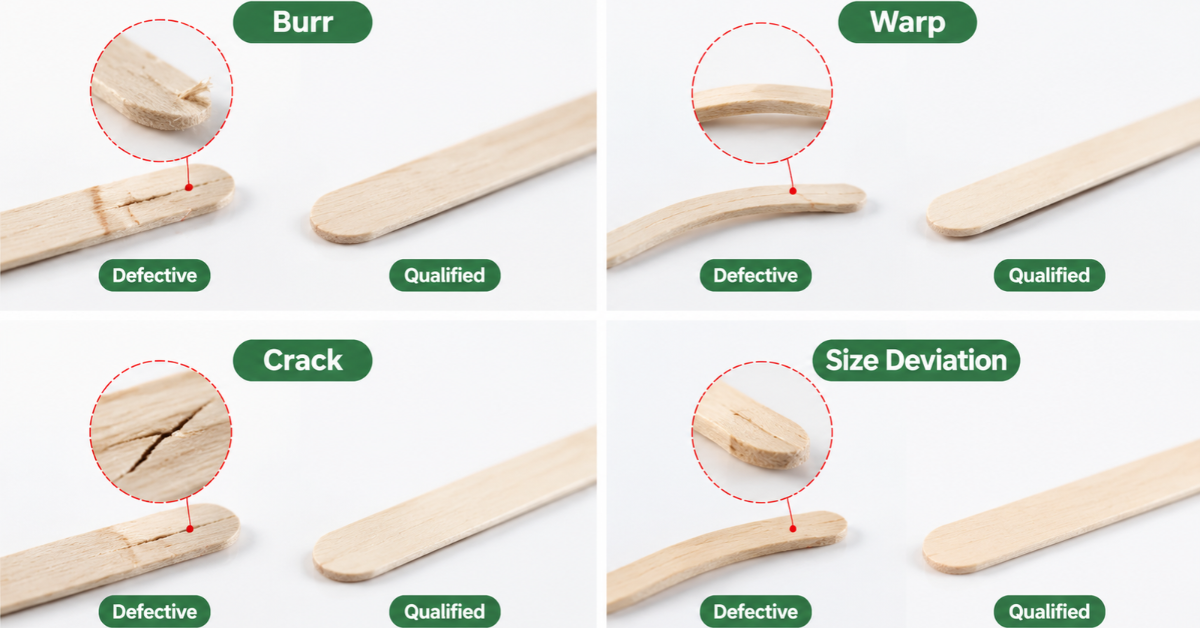
Matching Every Batch to the Approved Sample
Reliable Performance on Automated Production Lines
Why Stick Dimensions Matter for Automated Feeding
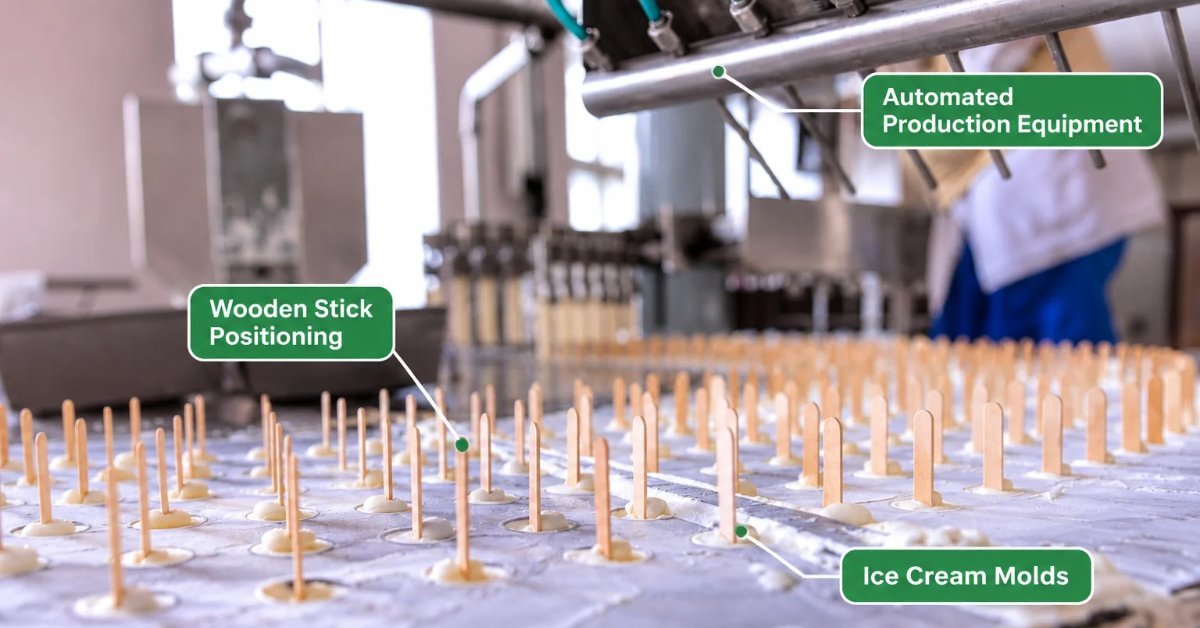
Reducing Jams and Production Interruptions
Confirming Specifications Before Mass Production
Stable Supply and On-Time Delivery in Peak Season
Plan Orders Around Seasonal Demand
Production Capacity and Inventory Support
Predictable Purchasing Costs for Long-Term Orders
Why the Lowest Unit Price Is Not the Best Value
What a Quotation Should Confirm
Consistent Packaging and Product Specifications
Responsive Communication and Long-Term Support
How to Evaluate a Long-Term Supplier
Evaluation area What to confirm before the first bulk order Product quality Dimensions, straightness, surface finish and the limit that defines a defect Production compatibility Sample performance on your own filling or insertion line Quality control Inspection procedures, sorting equipment and batch records Production capacity Ability to hold recurring bulk volumes through the season Delivery reliability Lead times, shipping lots and peak-season planning Packaging Bundle counts, carton specification and label consistency Compliance Certification and market-specific documentation for your destination Communication Response time, order updates and how quality feedback is handled FAQ About Wooden Ice Cream Stick Suppliers
Why do ice cream manufacturers stay with the same wooden ice cream stick supplier?
How can manufacturers keep quality consistent across bulk wooden ice cream stick orders?
Which specifications should buyers confirm before ordering?
How does stick quality affect automated production lines?
What is YADA Industrial's customer repeat order rate?
How can manufacturers avoid shortages during peak ice cream season?
Conclusion