Summary
A South American ice cream factory owner shares his real sourcing story with other B2B buyers, hoping to help them avoid the pitfalls he once hit with suppliers.
Summary
A South American ice cream factory owner shares his real sourcing story with other B2B buyers, hoping to help them avoid the pitfalls he once hit with suppliers.
A South American ice cream factory owner walks through the supplier check he ran before committing — written for other B2B buyers.
Short answer: If you're sourcing wooden ice cream sticks from China, I've found three tests that actually matter — do the samples match bulk production, can you really verify the factory, and will they still answer when shipping breaks? Here's how I ran all three before I committed.
I'm Jose. I run a mid-sized ice cream factory in South America. When I first messaged this supplier on WhatsApp, my opening line wasn't "send me a quote." It was:
"The last one said the same thing. Why should I trust you?"
We needed 114 mm and 93 mm sticks with our own logo. Before I found them through their website, I'd already been burned twice: samples that looked nothing like the bulk, and a supplier who took my deposit and disappeared. For me, trust wasn't a checkbox — it was the whole order.
I didn't take their word for anything. I asked for custom-logo samples and watched whether the sample matched what my high-speed line would actually receive. I asked hard questions and expected same-day replies, not "we'll follow up tomorrow." Then I arranged a third-party audit — production floor, financials, employee conditions, certifications. They opened the factory to all of it.
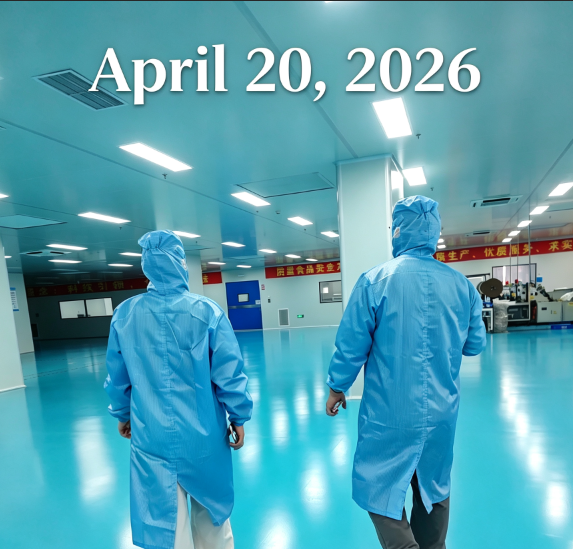
Third-party audit, April 18, 2026 — production floor, financials, and certification review.
What I had the auditor check — the six areas that mattered to me:
1. Quality management. Whether they actually ran a quality and safety management system, not just claimed one on paper.
2. Site management. Whether staff, operators, and production equipment were managed to standard on the floor.
3. Process management. Whether raw materials and semi-finished goods in production were within compliant shelf life.
4. Inspection management. Whether their testing capability met production needs, their product standards matched certification requirements, and records were complete.
5. Factory environment. Whether the workshop and plant grounds met proper production conditions.
6. Fulfillment capability. They verified the business operations, checked on-time supply and order-accuracy history, and assessed legal and financial risk.
The audit took place on April 20, 2026. That's the part most supplier pages skip — you don't want to be told a supplier is trustworthy. You want to verify it yourself.
Production and packing wrapped in 25 days for a 40HQ container. Then the freight market moved — rates surged, and sailings shifted. For a buyer who'd been abandoned after payment before, this was the moment that mattered most.
They stayed on the forwarder, compared routes, and gave me the options instead of silence. I picked the best available line and the container shipped. While it waited, the goods sat in their clean, dry, and secure warehouse — at no extra cost to me.
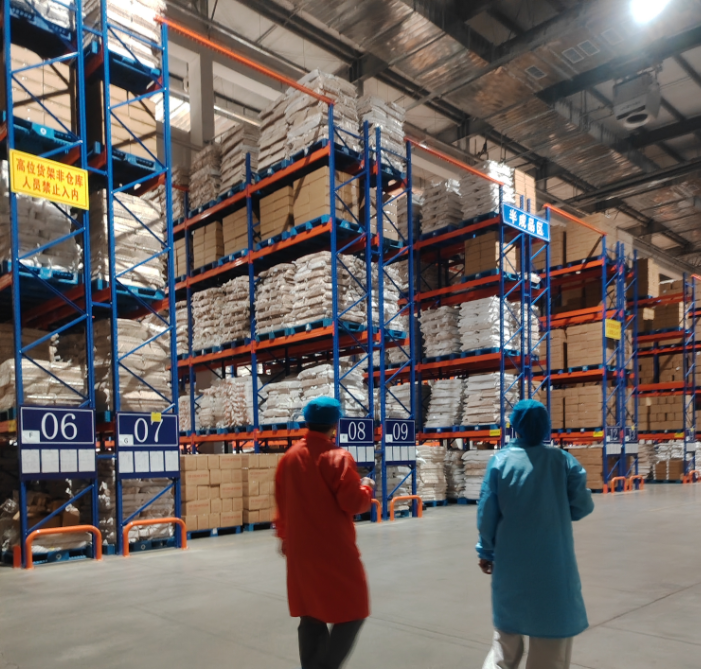
Warehouse inspection during the audit — the same clean, dry, secure conditions my sticks were held in through the freight delay.
The final order came to 1,280 cartons, loaded into that 40HQ.
The 40HQ leaving the warehouse — the moment that mattered after the freight scare.
Dry and ventilated, away from moisture that causes splitting and mold. The delay gave a real-world example: my sticks were held in storage conditions built for exactly that, free of charge, until the vessel was ready.
I got the sticks I needed despite a chaotic freight market. More than that, I got a supplier who answered when it counted and didn't vanish the moment payment cleared.
How to store bulk wooden ice cream sticks →
Ask for samples that match bulk production, run a third-party factory audit covering the production floor, financials, and certifications (such as FSC® and ISO 9001), and watch how fast and concretely they answer your questions. I ran all three before placing my 40HQ order of 1,280 cartons.
In my case, a 40HQ container of 1,280 cartons was packed in 25 days, then freight rates surged, and sailings shifted. The supplier kept checking routes with the forwarder, presented options, and shipped on the best available line. Goods were stored free in a clean, dry, and secure warehouse until the vessel was ready.
Keep them dry and ventilated to avoid splitting and mold. During the shipping delay, my sticks stayed in a warehouse that was dry and safe at no extra cost.
Published by YADA Industrial · Wooden & bamboo disposable foodware manufacturer · 30 years of supply, buyer-verified.