Summary
A buyer's account of how optically sorted, warp-controlled wooden ice cream sticks removed stick jams on a 48,000+ sticks/hour line and brought insertion uptime to 99%.
Summary
A buyer's account of how optically sorted, warp-controlled wooden ice cream sticks removed stick jams on a 48,000+ sticks/hour line and brought insertion uptime to 99%.
Warped wooden sticks kept bringing our insertion line to a halt. Here's what we changed in our stick specifications, how our supplier addressed the problem, and what it did for our production uptime.
When your production line runs at more than 48,000 sticks an hour, consistency isn't just nice to have. It's essential. We were constantly losing valuable production time to unexpected stoppages. A stick would feed incorrectly, the inserter would jam, and an operator would have to stop the line to clear it before production could resume. Every interruption meant lost output, wasted ice cream mix, and potential delays in our delivery schedule.
Our engineering team reviewed the recurring jams and eventually traced the problem back to the sticks themselves, not the machinery:
Even slight warping. Small bends or uneven ends caused sticks to miss the inserter slots, disrupting the feeding process.
Rough edges and burrs. Tiny imperfections triggered sensors or physically obstructed the feeding mechanism.
Broken sticks. Damaged sticks could break inside the production system, affecting finished products and forcing operators to stop the line for manual cleaning and resetting.
We needed millions of wooden ice cream sticks supplied in bulk, with consistent dimensions and quality from one carton to the next. At our production speed, even small variations could cause big problems.
When our procurement and engineering teams started looking for a new supplier, we took a different approach. Instead of treating stick-related jams as a machine maintenance issue, we made product consistency a key purchasing requirement. We put clear tolerances into our specifications and asked suppliers to show us exactly how they measured and controlled them.
YADA Industrial, a China-based manufacturer of disposable bamboo and wooden products, stood out by backing up its claims with actual production and quality-control processes. They could explain how each stick was handled, inspected, and sorted before packing, as well as what happened to products that failed inspection. That was the level of transparency we were looking for.
Four key things changed in the sticks we started receiving. And importantly, we didn't have to modify our existing production line to make them work.
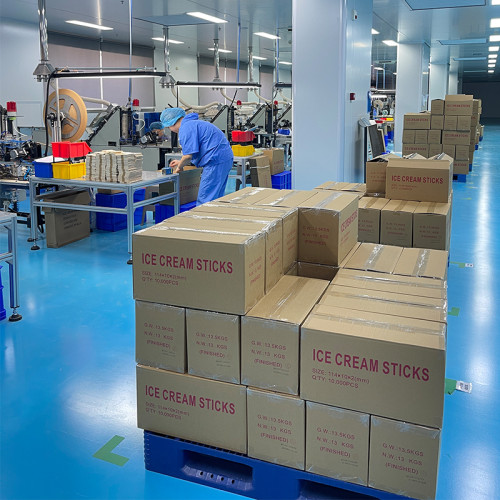
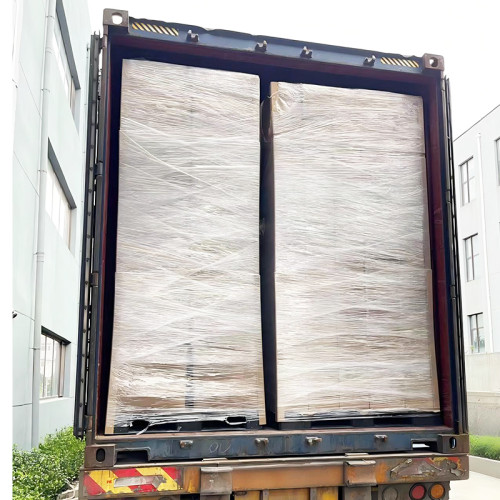
Once production got underway, we noticed the same attention to detail in the packaging and shipment process as in the sticks themselves:
Consistent dimensions in every batch. Length, width, and thickness were checked against our inserter specifications before the products were approved for shipment.
Packaging designed to protect against moisture. Securely bundled sticks, accurate carton counts, and protective barrier liners helped keep moisture out during transportation and storage.
A batch-specific COA for every pallet. Each pallet came with a Certificate of Analysis documenting the moisture range and optical sorting pass rate, giving our quality team the traceability records needed for internal audits.
Our first bulk shipment went straight onto the high-speed molding line. We didn't need to carry out any additional sorting on our end before production.
The sticks now feed smoothly and consistently, cycle after cycle. Something that used to require constant attention from our production team is no longer a daily concern. We've eliminated an avoidable source of downtime and made our production process more predictable.
Based on our experience, there are three things we'd tell any ice cream manufacturer running a high-speed insertion line:
Get the maximum warpage tolerance in writing, specify it in millimeters, and ask your supplier exactly how it's measured.
Find out what happens to sticks that fail inspection. Random sampling is not the same as 100% optical sorting.
Request a batch-specific COA for every pallet. Your quality team or auditors will eventually need that documentation.
At production speeds like ours, a wooden ice cream stick isn't just a consumable. It's part of the production system. Make sure you specify it that way.
Running a High-Speed Ice Cream Production Line? Don't Let Stick Quality Slow You Down.
Warped wooden ice cream sticks can lead to feeding problems, unexpected stoppages, and unnecessary production costs. YADA Industrial helps manufacturers maintain consistent stick quality with a maximum 2.8 mm warpage tolerance and 100% optical sorting.
Request Samples for Your Production LineAvailable in standard 114 mm and 93 mm sizes, with custom specifications available | BRCGS and FSC® certified.