Plastic Pollution and Wildlife: Why More Businesses Choose Wooden Cutlery
- Share
- publisher
- Eternity
- Issue Time
- Aug 10,2024
Summary
Discover why pure wood cutlery beats plastic & PLA. Avoid greenwashing and find natural, plastic-free tableware solutions.
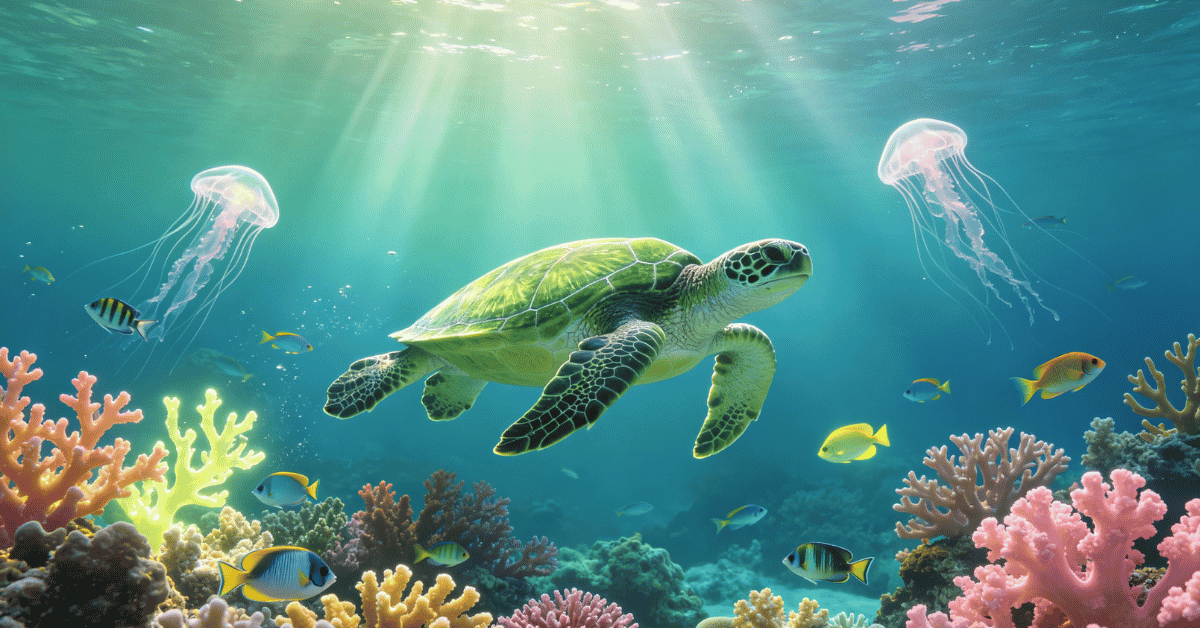
Every year, millions of tons of plastic waste find their way into oceans, rivers, lakes, and forests around the world. For wildlife, however, this plastic does not always appear to be waste. In many cases, it looks remarkably similar to food.
Unlike natural materials that eventually break down and return to the environment, plastic can persist for decades or even centuries. As it travels through ecosystems, it increasingly comes into contact with animals searching for food, creating one of the most significant environmental challenges of our time.So what actually happens when animals swallow plastic, and why is this issue closely linked to the everyday products we use?
Why Do Animals Mistake Plastic for Food?
Similar Appearance to Natural Food Sources:
Many animals rely on visual cues when searching for food. Unfortunately, certain plastic items closely resemble their natural prey.For example, floating plastic bags can look strikingly similar to jellyfish, leading sea turtles to mistake them for food. Likewise, small plastic fragments are often confused with fish eggs, crustaceans, or other marine organisms by seabirds and fish.
Food Odors Attached to Plastic Waste:
Plastic drifting through the ocean does not remain odorless. Over time, algae, bacteria, and organic matter accumulate on its surface, producing scents that many marine animals associate with food.As a result, animals that depend on smell to locate prey may be attracted to plastic debris and consume it unintentionally.
Increasing Plastic Pollution in Natural Habitats:
Plastic pollution is now present in nearly every ecosystem on Earth. From remote coastlines to deep ocean waters, wildlife encounters plastic more frequently than ever before.The more plastic that enters the environment, the greater the likelihood that animals will mistake it for a food source.
What Happens When Animals Swallow Plastic?
Blocked Digestive Systems:
Unlike natural food, plastic cannot be digested. Once ingested, it may become trapped in the stomach or intestines, preventing food from passing through the digestive system properly.
A False Sense of Fullness:
Plastic can occupy valuable space inside an animal's stomach. Even though it provides no nutritional value, the animal may feel full and reduce its food intake. Over time, this can lead to malnutrition, weakness, and decreased chances of survival.
Internal Injuries:
Sharp plastic fragments can damage internal tissues as they move through the digestive tract. Cuts, punctures, and infections may develop, creating serious health complications.
Exposure to Harmful Chemicals:
Certain plastics contain chemical additives that may leach over time. In addition, plastic debris can absorb pollutants from the surrounding environment. When animals ingest these materials, they may also be exposed to potentially harmful substances along with the plastic itself.
Which Animals Are Most Affected by Plastic Pollution?
Sea Turtles
Sea turtles are among the most well-known victims of plastic pollution. Plastic bags and packaging materials floating in the water are often mistaken for jellyfish, a common part of their diet.
Seabirds
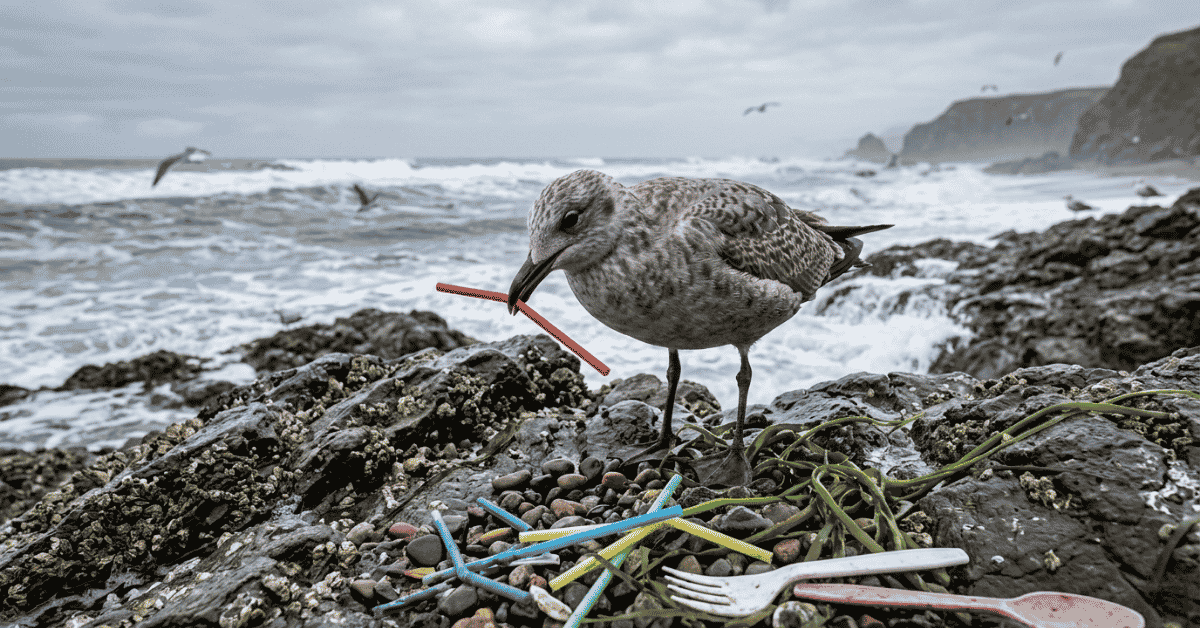
Many seabird species consume plastic fragments while feeding at the ocean surface. In some cases, adult birds unknowingly feed these particles to their chips.
Whales and Dolphins
Large marine mammals have been found with significant amounts of plastic waste in their digestive systems. In severe cases, the accumulation can interfere with normal feeding and digestion.
Fish and Shellfish
Microplastics are now found throughout marine environments and are frequently consumed by fish and shellfish. These tiny plastic particles can move through the food chain, affecting larger species that feed on them.
How Plastic Waste Impacts Entire Ecosystems
The effects of plastic pollution extend far beyond individual animals. When wildlife populations decline due to plastic ingestion, food webs can become disrupted. Predators may lose important food sources, while changes in prey populations can alter ecosystem balance.
At the same time, larger plastic items gradually break down into microplastics that spread through water, soil, and sediment. These particles are increasingly found in ecosystems worldwide, creating long-term environmental challenges that are still being studied. As plastic moves through the food chain, its impact reaches far beyond the species that initially consume it.
Why Single-Use Plastic Products Are Part of the Problem
A significant portion of plastic pollution originates from disposable products designed for short-term use.
Disposable plastic cutlery, plastic straws, plastic coffee stirrers, and food packaging are often used for only a few minutes before being discarded. Yet these products can remain in the environment for many years if not properly managed.Lightweight items are especially prone to being carried by wind or water into natural habitats, where they can break apart into smaller pieces and become accessible to wildlife.
While a single plastic fork or stirrer may seem insignificant, billions of these items are used worldwide every year. Collectively, they contribute to the growing volume of plastic waste entering the environment.
Can Wooden Cutlery Help Reduce Plastic Pollution?
Plastic pollution is a complex issue, and no single solution can eliminate it entirely. However, replacing certain disposable plastic products with renewable alternatives is one practical step many businesses can take.
Disposable wooden cutlery is produced from renewable natural materials and can biodegrade naturally after disposal. Unlike conventional plastic utensils, it does not contribute to long-term plastic accumulation in oceans, rivers, or landfills.
For restaurants, takeaway services, catering companies, and food distributors, wooden cutlery offers a sustainable alternative without requiring major changes to daily operations. The same applies to wooden coffee stirrers, wooden ice cream sticks, and other biodegradable foodservice products that help reduce reliance on single-use plastics.
Why More Businesses Are Choosing Wooden Cutlery
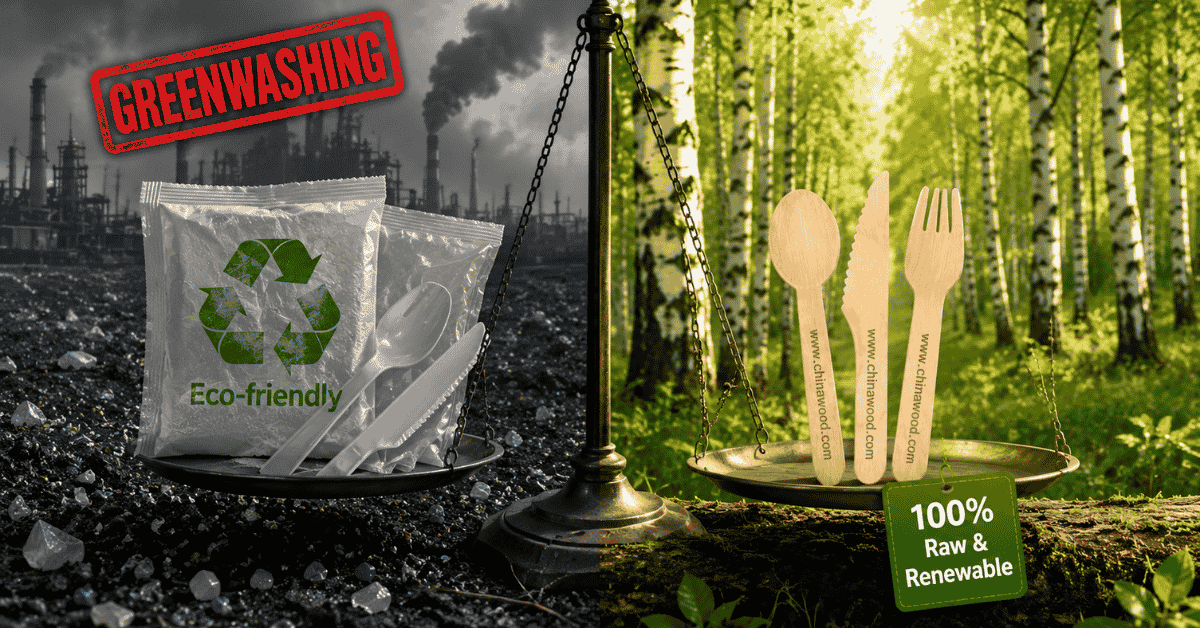
The growing adoption of wooden cutlery is being driven by both environmental and commercial considerations.Many countries and regions have introduced regulations aimed at reducing single-use plastic waste, encouraging businesses to explore compliant alternatives. At the same time, consumers are becoming more aware of sustainability issues and increasingly favor brands that make environmentally responsible choices.
For foodservice businesses, distributors, and wholesalers, switching to biodegradable cutlery can provide several practical benefits:
1. Support compliance with plastic-reduction regulations
2. Strengthen sustainability and ESG initiatives
3. Enhance brand reputation among environmentally conscious customers
4. Reduce dependence on petroleum-based disposable products
5. Meet growing demand for eco-friendly foodservice packaging
As sustainability continues to influence purchasing decisions, wooden cutlery is increasingly viewed as a practical business solution rather than simply an environmental alternative.
Conclusion
Reducing plastic waste starts with practical choices. For foodservice businesses, switching from disposable plastic products to biodegradable wooden alternatives is a simple way to support sustainability initiatives and respond to growing market demand.
At YADA, we supply disposable wooden cutlery, wooden coffee stirrers, ice cream sticks, and other eco-friendly products for global wholesalers and distributors. Contact us to learn more about our custom and wholesale solutions.